In the retail world, the competition for attention is fierce. Every day, consumers are bombarded by countless products and brands. Standing out in this sea of options is a constant challenge.
One of the most effective strategies for increasing product visibility is through displays and point-of-sale (POS) materials.
This article explores how to use these tools effectively, turning the retail space into a true showcase that captures customer attention and drives sales.
We will cover everything from choosing the ideal display type to creating materials that attract and engage consumers at the moment of purchase decision.
What Are POS Displays?
POS displays are structures designed to present products in an attractive and accessible way at the point of sale. They can range from simple shelves and gondolas to elaborate interactive stands, depending on the brand's objective and the featured product.
The design and functionality of these displays are fundamental for making a strong first impression, often serving as the consumer's first visual contact with the product or brand.
A visually appealing display conveys professionalism, attention to detail, and quality -- factors that directly influence customer perception and trust.
How Displays Influence Purchase Decisions
Studies show that most purchase decisions are made inside the store, not before. This means displays have the power to directly influence the consumer's decision by facilitating product visualization and interaction.
When well planned, these materials not only attract attention but also provide crucial product information, reinforcing the brand message and creating an environment that encourages buying.
1. Visual Attraction and Product Highlighting
By using eye-catching colors, strategic lighting, and distinctive design, displays highlight products amid a variety of options, increasing the likelihood of customer interest.
2. Strategic Positioning
Positioning displays at high-traffic points like store entrances, checkout areas, or aisle endcaps maximizes product exposure.
3. Consumer Interaction
Interactive displays that allow consumers to touch, try, or test products create deeper engagement and increase conversion rates.
Types of POS Displays
The most common types include:
- Floor displays: freestanding units placed in high-visibility areas. Ideal for product launches and seasonal promotions.
- Counter displays: compact units placed near checkout counters. Effective for impulse purchases.
- Endcap displays: positioned at the end of aisles. One of the most visible spots in any retail store.
- Shelf displays: integrated into existing shelving. Help products stand out within their category.
- Digital displays: screens that showcase dynamic content. Allow real-time messaging updates.
POS Materials That Complement Displays
Beyond displays, several POS materials help boost visibility:
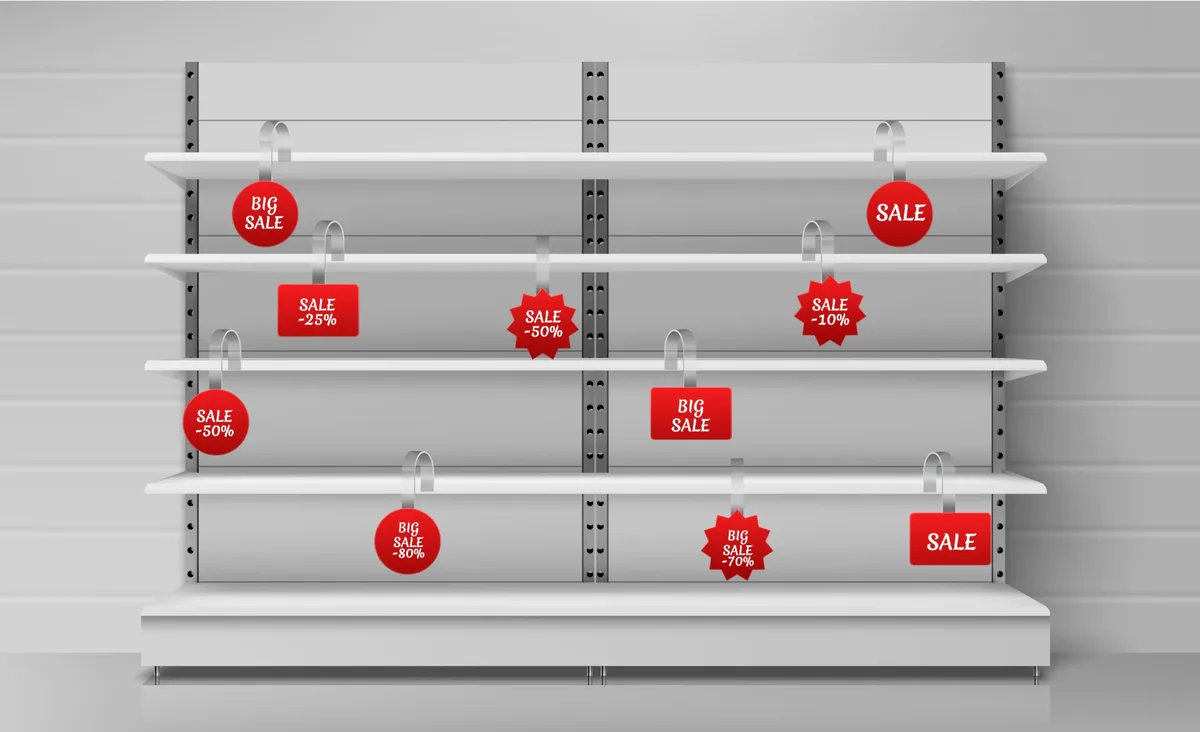
- Shelf wobblers: small signs attached to shelves that highlight promotions or product benefits.
- Banners and posters: large-format visual pieces for brand communication.
- Floor graphics: adhesive visuals that guide customers toward featured products.
- Price tags and shelf strips: clear pricing information that facilitates the purchase decision.
How to Maximize POS Material Effectiveness
To ensure your POS materials deliver results:
- Align with the brand identity: every material should reinforce your brand's visual language.
- Keep the message clear: consumers make split-second decisions. Communicate key benefits quickly.
- Focus on quality: well-produced materials convey professionalism and build trust.
- Refresh regularly: outdated materials become invisible. Update them with each campaign cycle.
- Measure impact: track sales lift in stores with displays versus those without to quantify ROI.
The Role of the Field Team
Even the best-designed display is useless if it is not properly installed and maintained. This is where your field team plays a critical role.
Field representatives must ensure that displays are correctly assembled, positioned in the agreed locations, stocked with products, and maintained throughout the campaign period.
Using field management tools with geotagged photos and checklists helps verify that execution matches the plan -- giving managers real-time visibility into what is happening at each store.
Conclusion
POS displays and materials are powerful tools for increasing product visibility and driving sales. When designed strategically, positioned correctly, and maintained by a well-managed field team, they transform the retail environment into a compelling experience that converts browsers into buyers.
Invest in quality materials, empower your field team with the right tools, and measure results consistently to continuously improve your point-of-sale execution.
How much does your operation cost?
Find out in 2 minutes.
Download PMR's free guide and learn how to calculate the real cost of each store visit, including travel, salary, and labor charges.
Download free guide